What is Muscular Dystrophy?

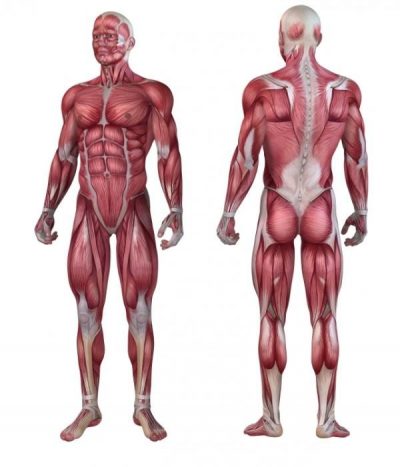
Muscular Dystrophy is one of the over 60 forms of neuromuscular disorder. It is an inherited genetic condition that gradually cause weakness of the muscles, leading to an increasing level of disability. Muscle-wasting conditions are very rare, affecting one in every 1000 people in the UK, and just over one in every 3,500 people in Nigeria. As a progressive condition, it gets worse over time. Sadly, there’s no cure for muscular dystrophy, but knowing how to manage the condition can help preserve the affected muscles.

What Causes Muscular Dystrophy?

Muscular dystrophy is caused by changes (mutations) in the genes responsible for the structure and functioning of a person’s muscles. The mutations cause changes in the muscle fibres that interfere with the muscles’ ability to function. Over time, this causes increasing disability. The mutations are often inherited from a person’s parents. In the United Kingdom, if you have a family history of MD, your GP may refer you for genetic testing and counselling to evaluate your risk of developing the condition or having a child with MD, and to discuss the options available to you.

Types of Muscular Dystrophy

There are many different types of muscular dystrophy, each with somewhat different symptoms. Not all types cause severe disability and many don’t affect life expectancy. All types cause muscle weakness, but the areas affected and the severity of the symptoms are different. Some of the more common types of MD include:

  • Spinal muscular atrophy
  • Duchenne muscular dystrophy
  • Myotonic dystrophy
  • Facioscapulohumeral muscular dystrophy
  • Becker muscular dystrophy
  • Limb-girdle muscular dystrophy
  • Oculopharyngeal muscular dystrophy


Read More

Diagnosing Muscular Dystrophy

Many different methods can be used to diagnose the various types of MD. The age at which the condition is diagnosed will vary, depending on when symptoms first start to appear. Diagnosis will involve some or all of the following stages:

  • investigating any symptoms
  • discussing any family history of MD
  • physical examination
  • blood tests
  • electrical tests on the nerves and muscles
  • a muscle biopsy (where a small tissue sample is removed for testing)

Treating Muscular Dystrophy

There’s no cure for MD, but a range of treatments can help with the physical disabilities and problems that may develop. These can include:

  • mobility assistance – including exercise, physiotherapy and physical aids
  • support groups – to deal with the practical and emotional impact of MD
  • surgery – to correct postural deformities, such as scoliosis
  • medication – such as steroids to improve muscle strength, or ACE inhibitors and beta-blockers to treat heart problems

New research is looking into ways of repairing the genetic mutations and damaged muscles associated with MD. There are currently promising clinical trials for Duchenne MD.

Read More