Understanding the Condition. Supporting Every Journey.

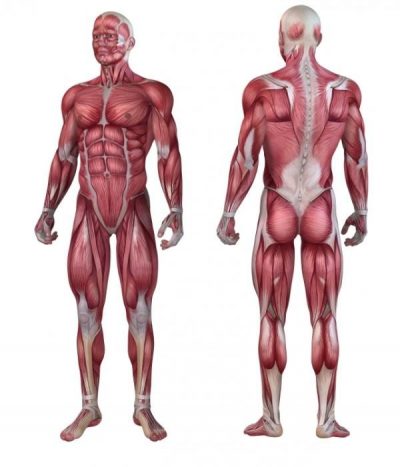
Muscular dystrophy is a group of genetic conditions that cause progressive weakening of the muscles over time. It affects children and adults, impacting mobility, independence, and overall quality of life. While there is currently no cure, early diagnosis, proper care, and strong community support can make a profound difference in how individuals and families navigate the condition.

At Muscular Dystrophy Campaign Nigeria, we believe that knowledge is power – and that every person living with muscular dystrophy deserves dignity, opportunity, and hope.

What is Muscular Dystrophy?

Muscular dystrophy (MD) refers to a family of inherited disorders that cause muscles to lose strength gradually. This happens because the genes responsible for maintaining healthy muscle function are altered or missing.

There are several types of muscular dystrophy, each affecting the body differently. Some forms appear in early childhood, while others develop later in life. Common signs may include difficulty walking, frequent falls, delayed motor skills, muscle stiffness, or challenges with everyday activities.

What Causes Muscular Dystrophy?

Muscular dystrophy is caused by changes (mutations) in the genes responsible for the structure and functioning of a person’s muscles. The mutations cause changes in the muscle fibres that interfere with the muscles’ ability to function. Over time, this causes increasing disability. The mutations are often inherited from a person’s parents. In the United Kingdom, if you have a family history of MD, your GP may refer you for genetic testing and counselling to evaluate your risk of developing the condition or having a child with MD, and to discuss the options available to you.

Who Does It Affect?

Muscular dystrophy can affect anyone — boys, girls, men, and women. Some types are more common in children, while others appear in adulthood. Because it is genetic, it often runs in families, but it can also occur spontaneously without a known family history.

In Nigeria, many individuals living with muscular dystrophy remain undiagnosed or unsupported due to limited awareness and access to specialized care. This is why our work is so important.

Types of Muscular Dystrophy

There are many different types of muscular dystrophy, each with somewhat different symptoms. Not all types cause severe disability and many don’t affect life expectancy. All types cause muscle weakness, but the areas affected and the severity of the symptoms are different. Some of the more common types of MD include:

  • Spinal muscular atrophy
  • Duchenne muscular dystrophy
  • Myotonic dystrophy
  • Facioscapulohumeral muscular dystrophy
  • Becker muscular dystrophy
  • Limb-girdle muscular dystrophy
  • Oculopharyngeal muscular dystrophy

Diagnosing Muscular Dystrophy

Many different methods can be used to diagnose the various types of MD. The age at which the condition is diagnosed will vary, depending on when symptoms first start to appear. Diagnosis will involve some or all of the following stages:

  • investigating any symptoms
  • discussing any family history of MD
  • physical examination
  • blood tests
  • electrical tests on the nerves and muscles
  • a muscle biopsy (where a small tissue sample is removed for testing)

Treating Muscular Dystrophy

There’s no cure for MD, but a range of treatments can help with the physical disabilities and problems that may develop. These can include:

  • mobility assistance – including exercise, physiotherapy and physical aids
  • support groups – to deal with the practical and emotional impact of MD
  • surgery – to correct postural deformities, such as scoliosis
  • medication – such as steroids to improve muscle strength, or ACE inhibitors and beta-blockers to treat heart problems

Why Awareness Matters

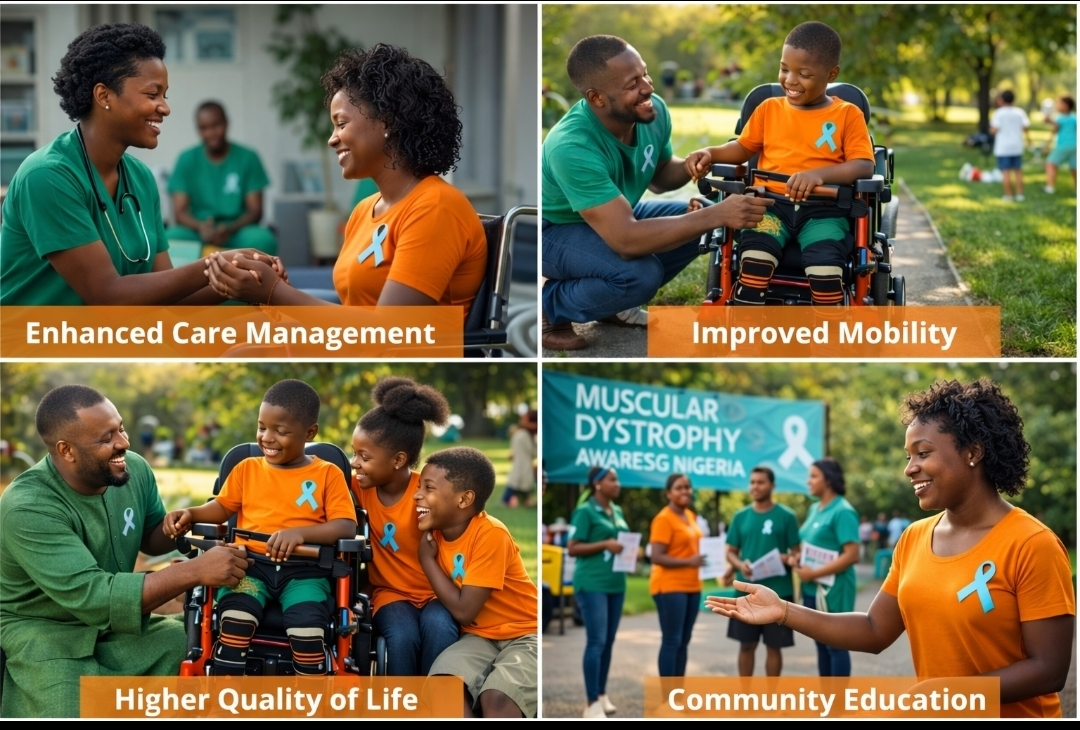
Early recognition of symptoms can lead to better management, improved mobility, and a higher quality of life. Awareness also helps reduce stigma, encourages inclusion, and empowers families to seek the right support.

By educating communities, training caregivers, and advocating for better healthcare systems, we are working to ensure that no one faces muscular dystrophy alone.

How Muscular Dystrophy Campaign Nigeria Supports Families

Our mission is to bring strength, independence, and life to individuals affected by muscular dystrophy. We do this through:

  • Community awareness and education
  • Support for families and caregivers
  • Advocacy for inclusive healthcare and disability rights
  • Access to mobility aids and assistive devices
  • Research, data collection, and early diagnosis initiatives
  • Outreach programs across Nigeria

Every step we take is guided by compassion, dignity, and the belief that every life has limitless value.

Together, We Can Make a Difference

Muscular dystrophy may be a lifelong condition, but with the right support, individuals can live meaningful, empowered lives. By joining our movement — whether through volunteering, donating, or spreading awareness — you help build a stronger, more inclusive Nigeria for everyone.