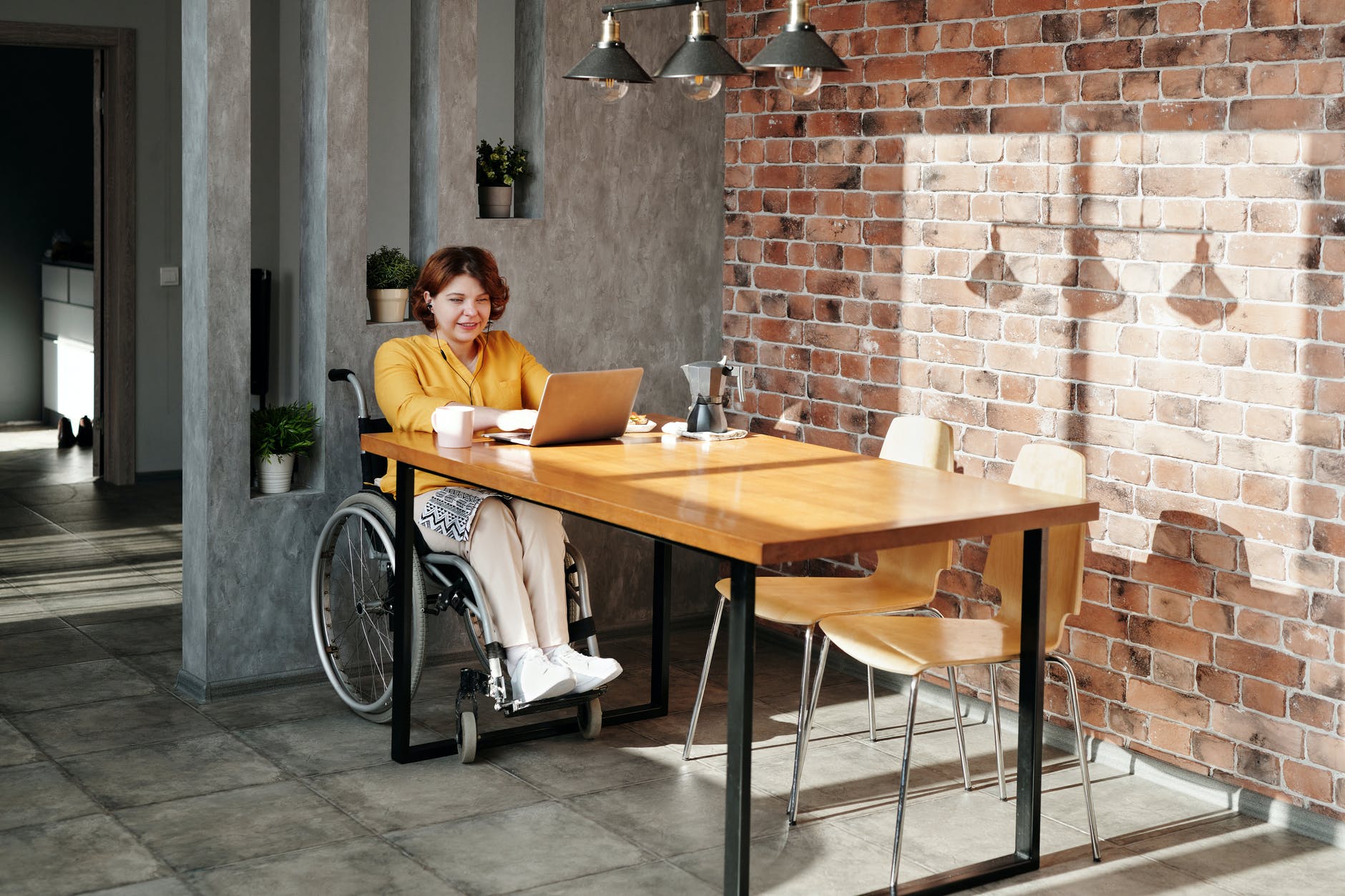
Although it has its centre in Benin city, this occupational therapy equally renders home-based interventions to patients all over Nigeria. Their services include the following: Designing Activities of Daily Living (ADLs) and Instrumental Activities of Daily Living (IADLs) including self-care, home management, mobility and work-related tasks etc. Developing programs to facilitate functional capacity of patients such as positioning, exercise programs, and pain management techniques. Provision of assistive and adaptive equipment for patients such as orthoses, communication aids, mobility aids, as well as provide training on how to use them. Ergonomics and building modifications – advising on home and workplace environmental alterations for patients such as adjustments for wheelchair access. Liaise with other professionals, such as doctors, physiotherapists, equipment suppliers and architects, as well as patients’ families, teachers, carers and employers on practical support. Psychosocial considerations for client, family and societal education.

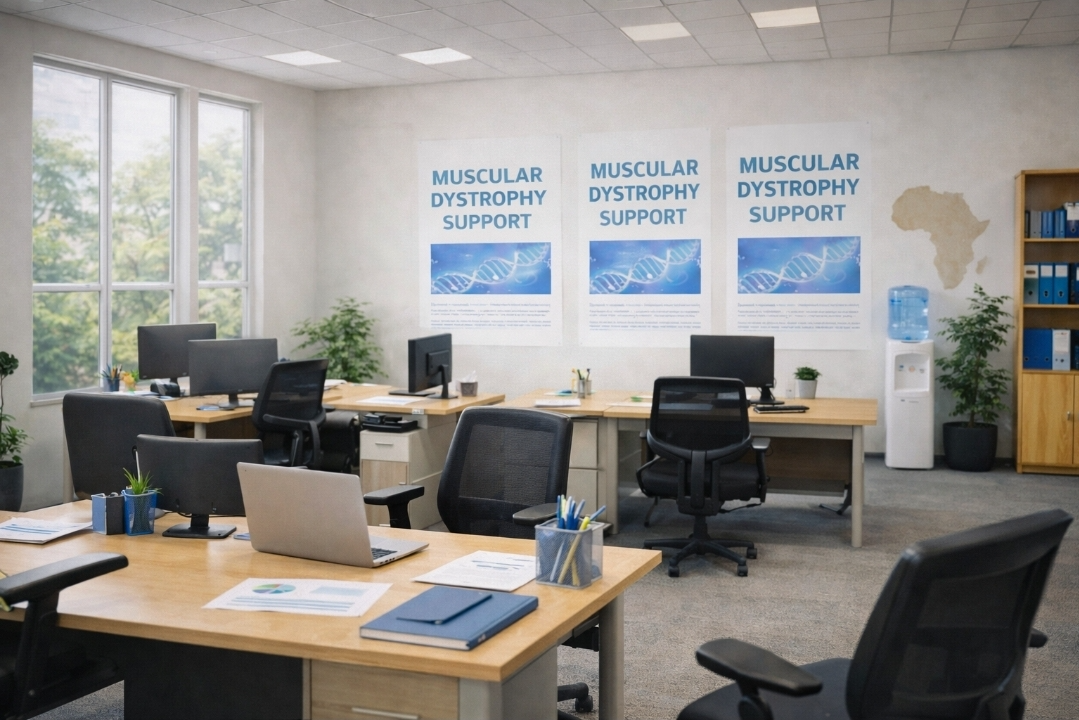

 The Muscular Dystrophy Campaign Nigeria (MDCN) is a registered charity in Nigeria set up to create awareness and reach Nigerian audience, educating people about Muscular Dystrophy (MD)